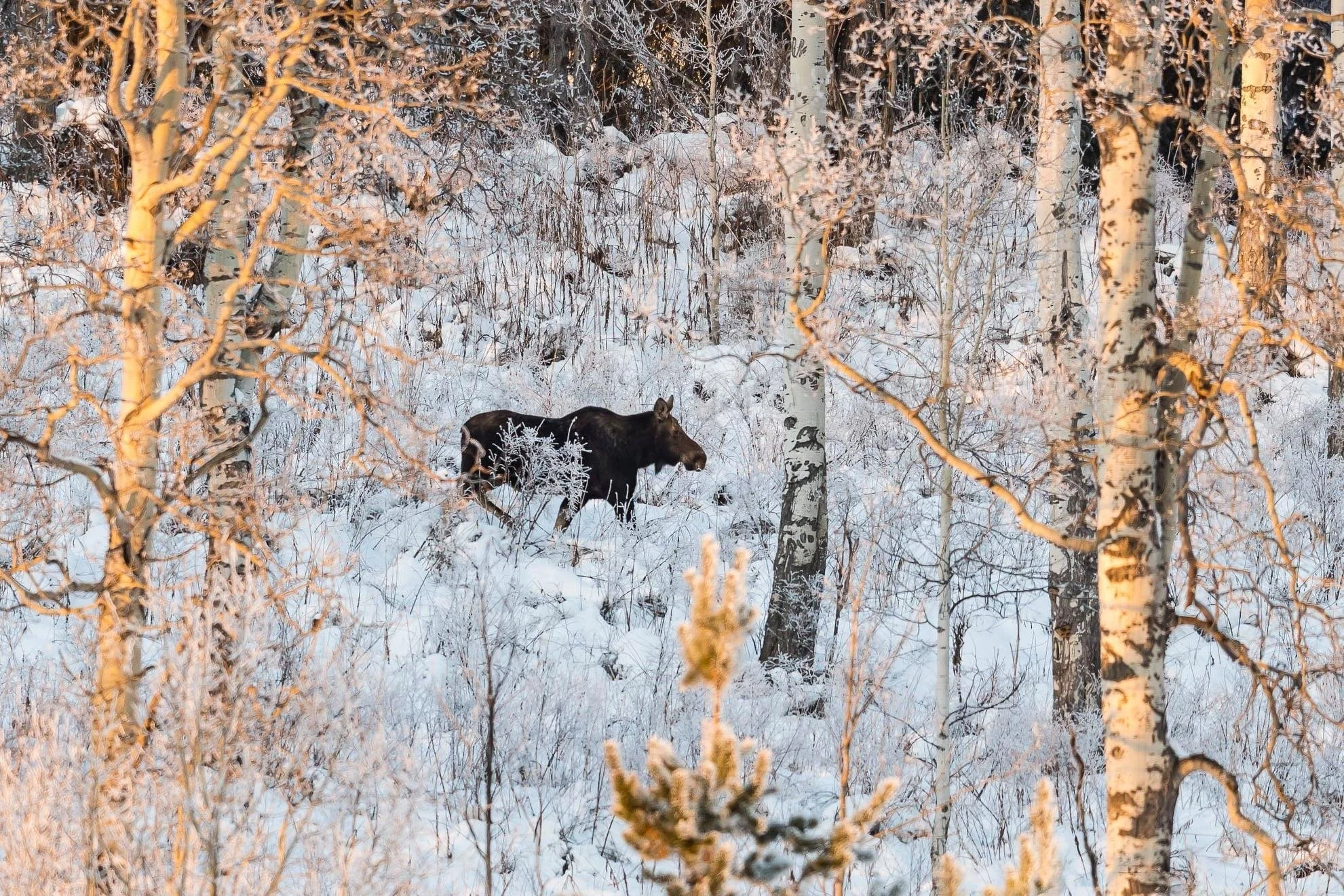
Wildlife Guardian Teacher and Student Resource Toolbox
This is a collaborative project initiated by the Tahltan Central Government’s Wildlife Department and Klappan Independent School with support from School District 87, with a goal of introducing students from kindergarten to Grade 12 to their wildlife, habitat needs and management. Through this connection it is hoped that they too will be interested in becoming wildlife guardians or pursuing resource and wildlife management jobs within their territory. This toolbox focuses on cultural uses and names and uses local wildlife pictures and audio recordings as the resource material for students and teachers.
This is work in progress and feedback is welcome. Please provide feedback as per contact information below, as we strive to make these resources as useful as possible to all.
Enjoy and thank you,
Frank Doyle
Brianna Tashoots
Identification Activity Photos
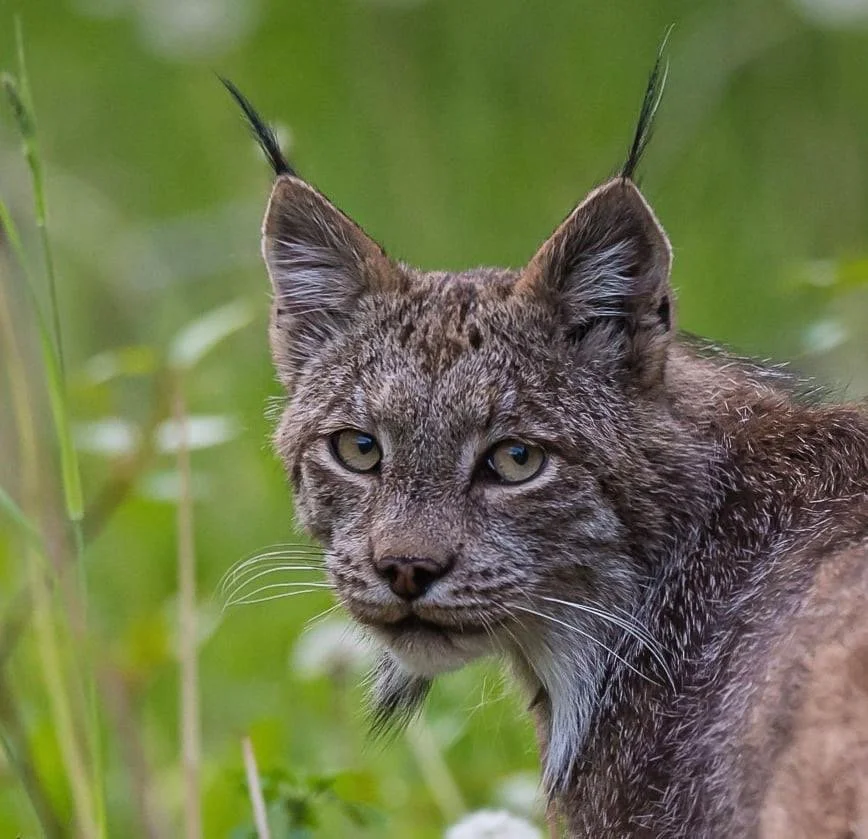
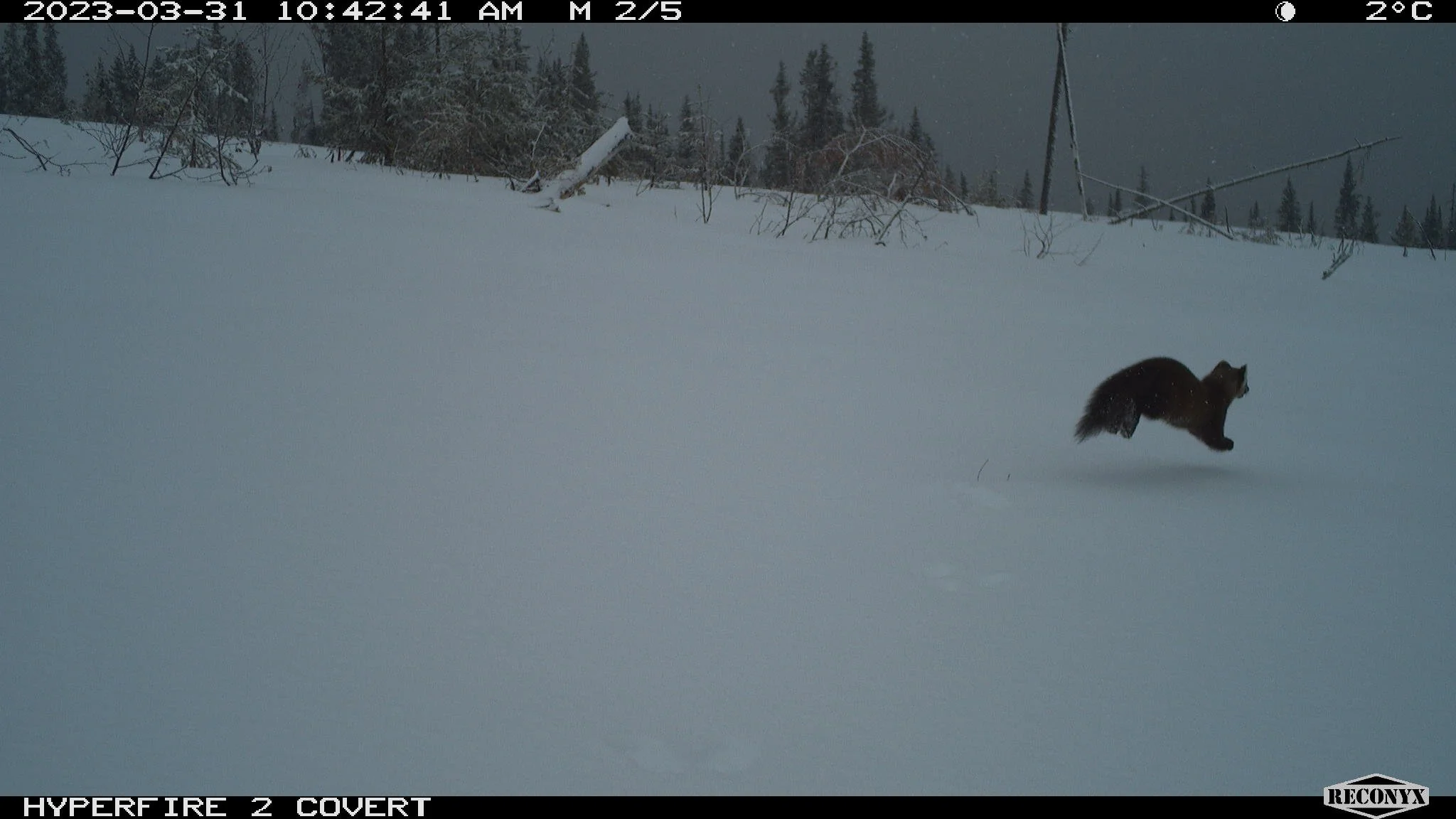
(More audio coming soon…)
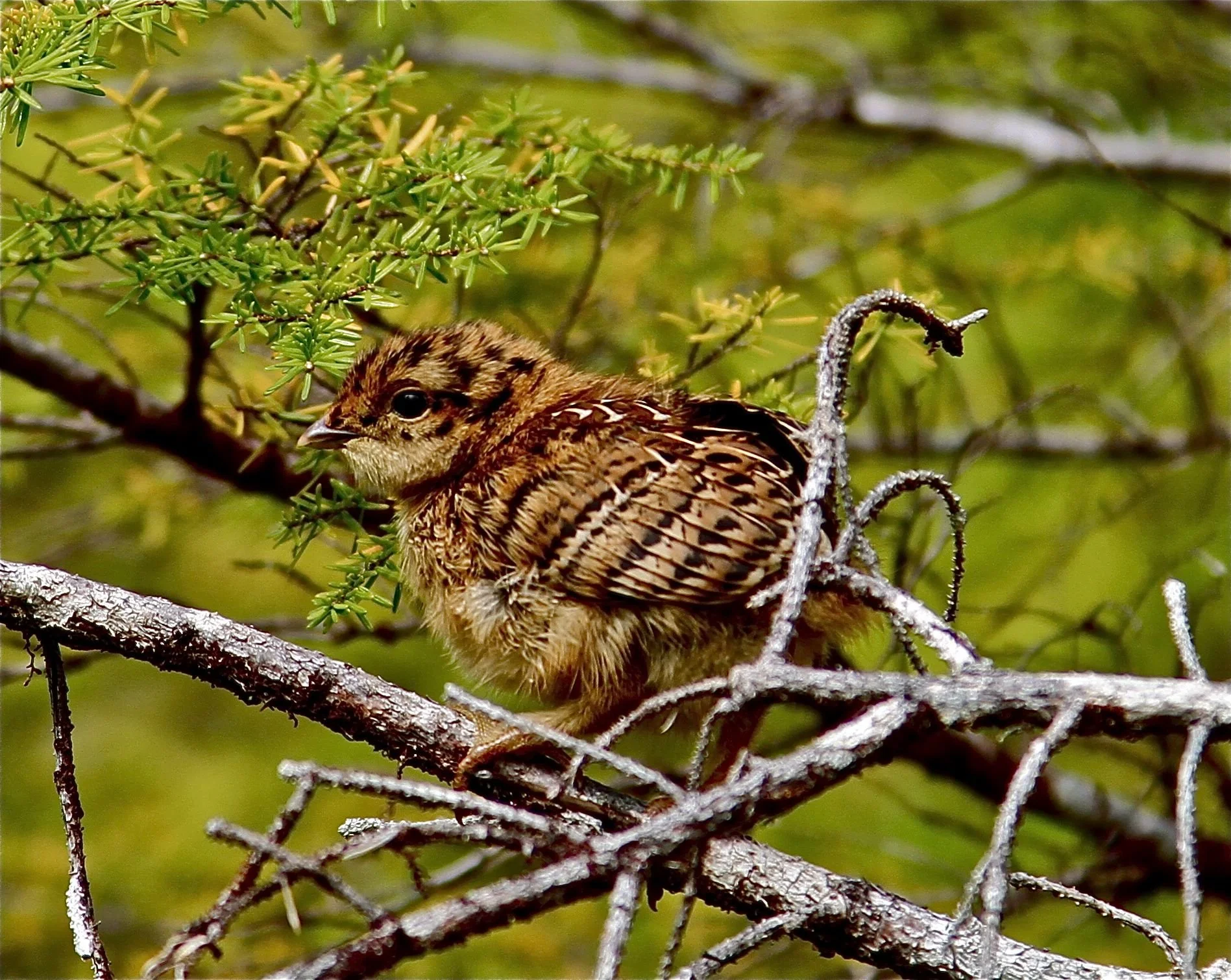
Bird Audio Files
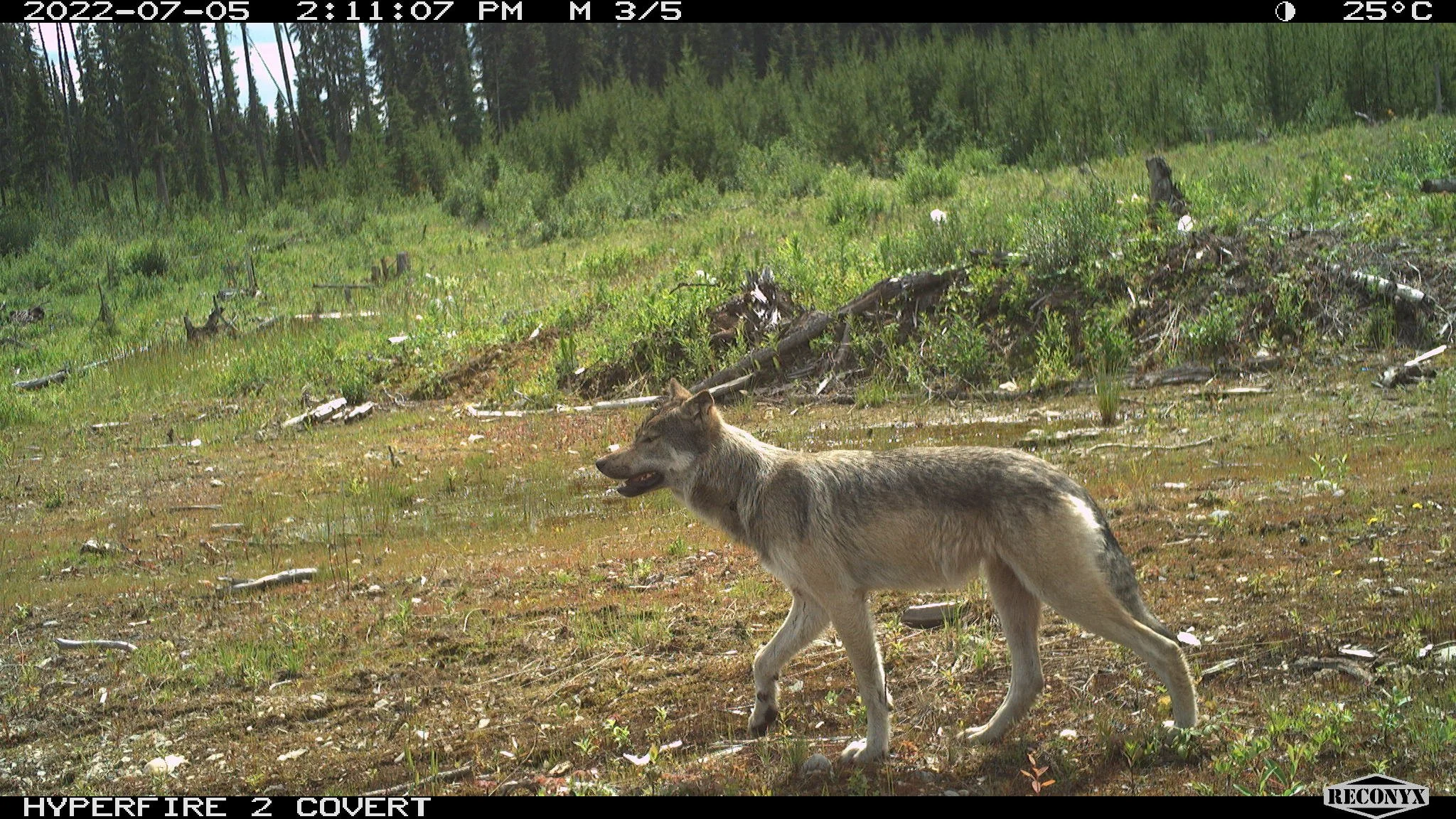
Local Camera and Audio Files
Locations/Camera Spreadsheet for teachers
*Please note that groups of photos may be split over two photo sets.*
Silver Creek Yukon
Duke River Yukon
Iskut - Klappan Road
Mature Forest
Open Forest
Dease Lake - Huey Rd
Coniferous Forest
Dry Forest
Young Forest
Tahltan and Burns Lake
Camera 1 Clear Cut Dry
Camera 2 Mature Wet
Camera 3 Mature Dry
(More audio coming soon…)
Made by locals, for locals
Frank Doyle: Independent ecologist working with Wildlife Guardian Programs across northern BC and Yukon. Much of the knowledge and work being shared was collected as part of the Boreal Forest Ecosystem research collected at Silver City, Yukon and through working with Wildlife Guardians in central and northern BC.
Brianna Tashoots: Tahltan Wildlife Administrator engaging with the youth for the intention of displaying more presence and having more of an interaction with the youth and future stewards of the territory. These interactions can shape their perspectives on what it means to be a guardian for their own territory, influencing their decisions and actions in the future. The Wildlife Guardians serve as role models and ignite the ambition and motivation of youth who can contribute positively to society and address the challenges of tomorrow. In summary, interacting with the youth is vital for nurturing future leaders, innovators, and the next stewards to protect our land, wildlife, and resources.